
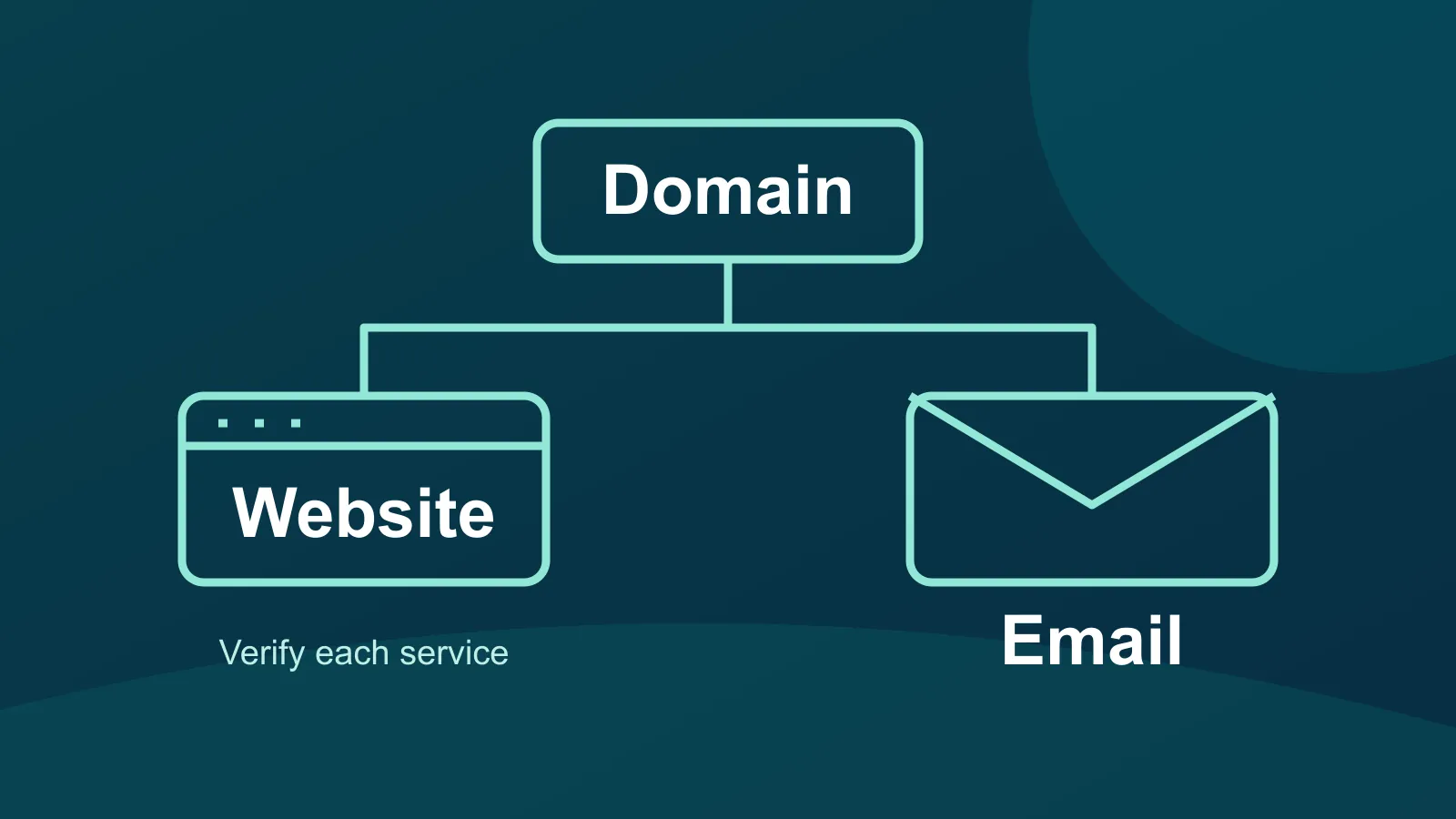
The domain renewal receipt arrives, and someone files it under “website paid.” That may answer one question while leaving several others open: who maintains the hosting account, who receives service notices, and what happens when the person who normally handles the bills is unavailable?
Keep a small renewal and ownership map for the services behind your website and business email. Confirm each service, provider, responsible person and next review date using trusted account records. Record what is actually covered together instead of assuming a domain payment renews every connected service.
Separate the name from the services around it
A domain registration gives you the domain name for its registration term. ICANN's renewal guidance explains that keeping the registration current matters to services such as a website and email that use it. Renew the registration through your registrar according to its terms; do not plan around an assumed recovery period after expiration.
Alongside that registration, identify the services your business actually uses. These may include website hosting or a site builder, email, DNS hosting, certificate management and a website maintenance agreement. Some may be included in a package or managed automatically; others may be separate. Ask the provider to document the relationship for your account.
The map is not a request to move the domain or edit DNS. It is a way to know which provider and responsible person to contact before a renewal or ownership question becomes urgent.
Build the record from trusted accounts
Work with the authorized account owner and your IT contact. Use a previously verified provider address or the organization's normal portal route. Do not use an unexpected renewal email's payment link as your starting point.
For each service, capture these fields:
- Service and purpose: the actual domain or service name and the business function it supports.
- Provider and agreement: who supplies it, which agreement or plan applies, and any other service it is bundled with.
- Business owner: the person accountable for the renewal decision and an agreed backup contact.
- Account administrator: the authorized person or provider who can check status through the established access process.
- Timing and evidence: renewal or review date, stated renewal setting, latest status check and where the confirmation is kept.
- Notice route: who receives provider messages and how important notices reach the responsible owner.
Leave passwords, recovery codes, full payment-card details and other secrets out of this map. Reference the approved credential and finance processes instead. You need a dependable handoff, not another spreadsheet containing access secrets.
Check who receives the important messages
ICANN's registrant contact-information guidance stresses keeping contact details current so registrar notices can reach you. It also advises contacting the registrar if a notice's legitimacy is uncertain.
Ask the authorized account owner to confirm the contact route in the actual registrar account. If it needs updating, use the registrar's supported process with the people authorized to make that change. Do not replace contacts, share a personal account or grant access just to complete a planning worksheet.
Then check the internal handoff. If a manager sees a renewal warning while the account owner is away, who can verify it and who can approve any payment? Route requests for changed payment details through your established verification process, including a known contact route rather than details supplied only in the message.
Verify the setting and the outcome
When a provider offers automatic renewal, record the setting and who checks that the intended renewal actually completed. Ask the finance owner to review payment readiness through the approved finance process; the ownership map does not need the payment credentials.
After renewal, confirm the account's reported status and next relevant date. Keep the provider confirmation in an approved business location. Separately check the business functions you rely on, such as opening the public website and exchanging a harmless test email through approved accounts. A receipt is useful evidence of a transaction, while those checks answer different operational questions.
Do not make DNS changes, transfer a domain, cancel a service or wait for an expiry to test the plan. Any necessary technical or account work should have a separate authorized change process.
Make it useful to the next person
In an illustrative small-office handoff, the office manager keeps the review calendar, the business owner approves spending, and the authorized administrator confirms provider status. Your arrangement may differ. Write the actual responsibilities and ask the named people to confirm them.
Review the map when providers, billing contacts or business responsibilities change. If a shared inbox receives the notices, connect this record to your shared-inbox coverage plan.
VFIX's IT strategy and consulting helps assess systems and plan responsibilities and priorities. Discuss the gaps in your technology ownership map. Domain registration, hosting and other provider services must be explicitly scoped; this article does not imply VFIX supplies or manages all of them.
Scope: a business ownership and renewal review, with ICANN guidance relevant to generic top-level domain registrations. Primary sources checked October 30, 2026. Registrar terms and other providers' agreements determine the actual renewal arrangements.